


Investment Property Building Inspections: What Investor-Builders Need to Know Before Handover
What investor-builders need to know before handover. Why an independent inspection protects your capital, warranty rights, and rental income.

A landmark in Australian Property Inspections

What investor-builders need to know before handover. Why an independent inspection protects your capital, warranty rights, and rental income.

The FHOG helps you buy a new home, but it doesn’t mean it’s defect-free. Here’s what a new home building inspection covers and why it matters.
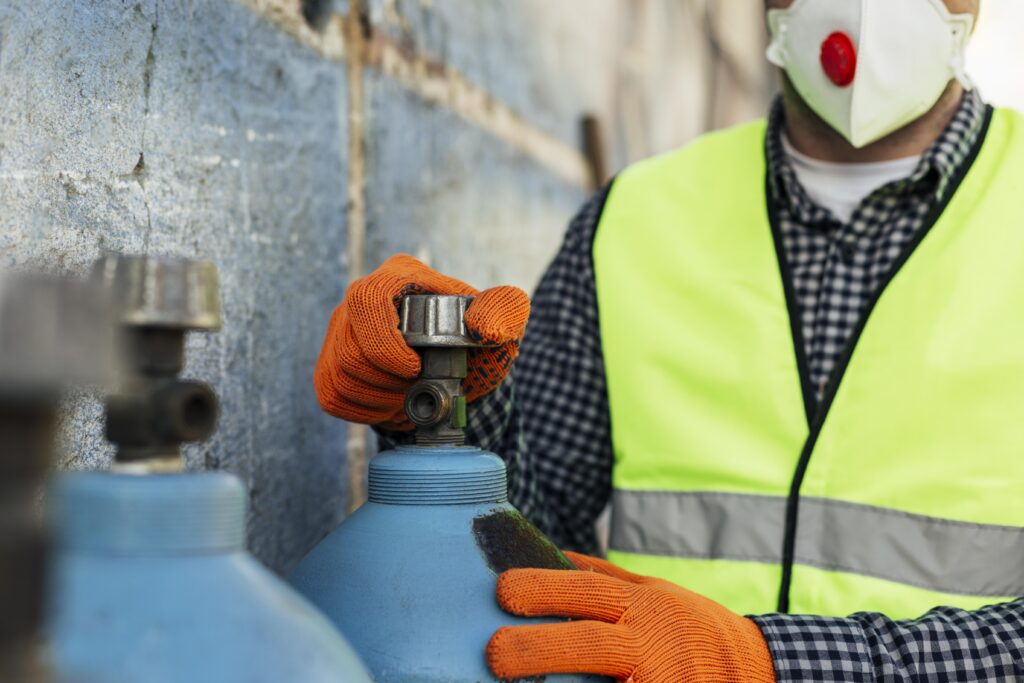
Two gasfitters can do identical work on the same rental. One safety check is legally valid. The other isn’t worth the paper it’s printed on. The only difference is a licence endorsement that a landlord wouldn’t know to ask about.

You notice it one evening: a thin line creeping up the hallway wall of your Melbourne townhouse that you’re fairly sure wasn’t there last month. Cue the spiral. Is the place falling apart, or is it nothing?

Building or buying property in Queensland comes with a set of risks you won’t find anywhere else in Australia. The subtropical climate, divided into a wet season and a dry season, creates two distinct windows of stress on any structure. Each surfaces a different category of defects, and neither is forgiving of corners cut during construction.
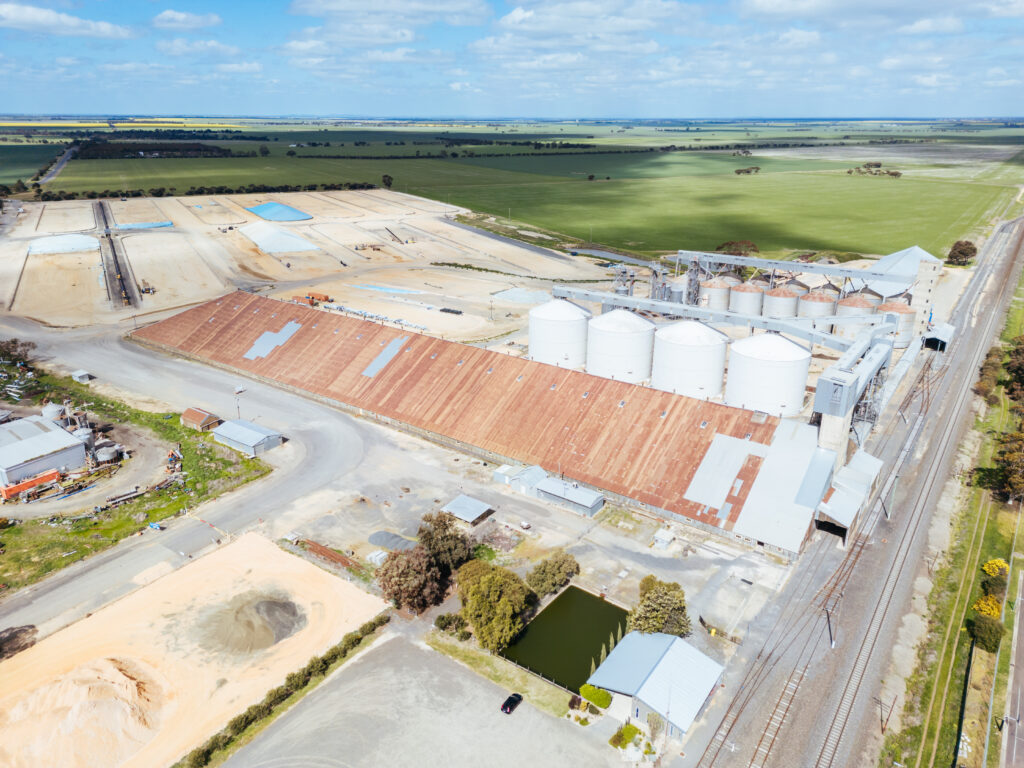
Farmland feels different from a residential subdivision. The assumption that the rules are more relaxed out here, that a shed is just a shed, costs rural landowners and property buyers more than they expect.

You signed the contract. You paid the deposit. Now settlement is approaching, the developer has confirmed your property is ready for handover.

Building a new home in Brisbane is exciting, but real costs go beyond the base price. This guide explains key cost factors, hidden expenses, and how inspections help protect your investment.

Becoming a landlord for the first time is a major step, and an exciting one. So, if you’ve just bought your first investment property or you’re getting ready to lease out your former home, there’s a lot to learn early on.

Melbourne’s fast-growing suburbs often sit on reactive clay soils that expand and contract with moisture changes. Expert inspections and soil testing help identify risks early and protect homes from costly structural damage.