


If you’re planning to build a new home in Melbourne or regional Victoria, having a clear understanding of the process can make things a lot easier. From permits and planning through to handover, several key stages shape your build, and knowing what to expect at each one can help you avoid delays, confusion, and costly mistakes.
This building and construction process guide for Melbourne homeowners walks you through each step in order. You’ll learn what happens and when, who’s responsible for what, and where independent stage inspections can provide extra peace of mind.
Whether you’re building for the first time or just looking for clarity, this guide will help you feel more confident and in control as your new home comes together.
1. Pre-Construction: Planning and Permits
Before any building work begins, there’s plenty of preparation to get through. You’ll need to choose a builder, finalise your design, arrange finance, and apply for building permits through your local council. Your builder usually manages the technical side, including submitting approved plans and coordinating with building surveyors.
Even though you don’t need inspections yet, now is a good time to plan. Booking your stage inspections early can help avoid delays later on and ensure your inspection report is ready at each key stage.
2. Slab Stage
Here’s where things start happening on-site. The builder prepares the land, pours the footings, and lays the concrete slab. They also install services like under-slab plumbing and electrical conduits at this point.
Since the slab forms the structural base of your entire home, it’s important to get it right the first time. Your building inspector will check the slab against the approved plans and confirm it meets the Building Code of Australia and relevant Australian Standards. This includes verifying the placement of reinforcement, drainage, moisture barriers, and dimensions. A proper inspection here can prevent serious issues later in the build.
3. Frame Stage
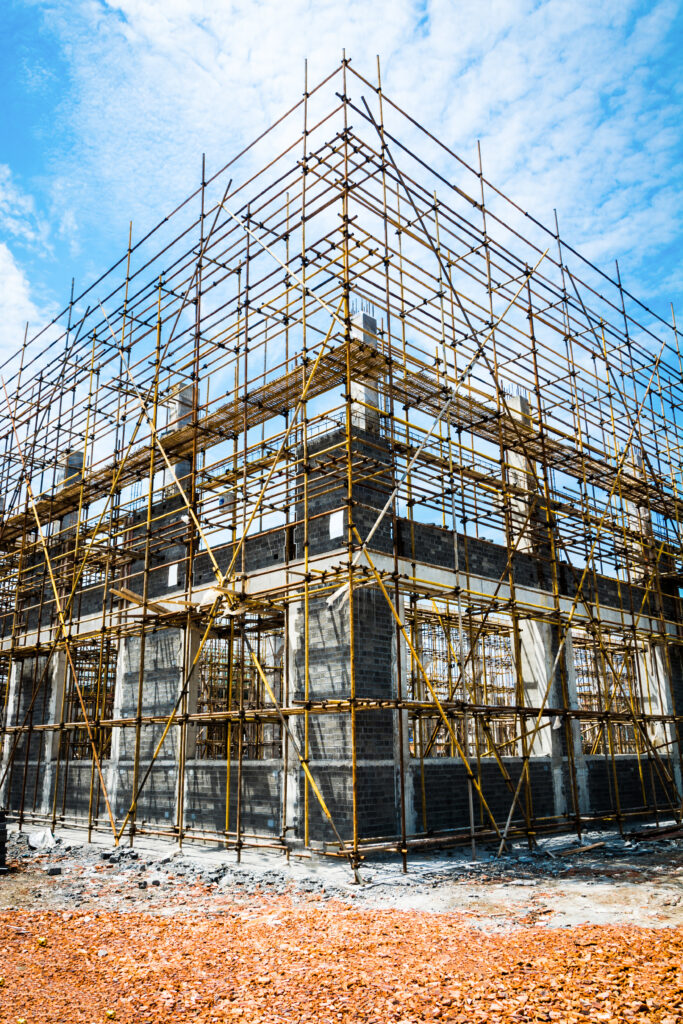
At this stage, your home starts to rise out of the ground. The builder erects the frame, including internal and external walls, roof trusses, and any load-bearing beams. For double-storey homes, this includes the second-level framework.
Now’s the time to make sure everything aligns with the engineering drawings and approved plans. During the frame inspection, your inspector checks for structural integrity, correct bracing and fixings, and general alignment. Once the builder plasters the walls, it becomes much harder to see or fix what’s behind them. A well-timed inspection helps you stay ahead of potential problems.
4. Lock-Up Stage
At this stage, the builder secures the home from the elements. Your builder installs the windows, external doors, roofing, and external cladding. The home might look nearly finished from the outside, but your builder still has important work to complete behind the scenes.
A building inspector will assess the weatherproofing of the external shell. This includes checking the installation of windows and doors, roof flashing, wall junctions, and other sealing points.
Construction inspections at lock-up focus on preventing water ingress and making sure thermal performance is on track. Catching these issues early can save you from costly repairs later.
5. Fixing Stage
With the structure sealed, the builder moves on to the internal fit-out. The builder installs plasterboard, fits skirting boards and architraves, installs cabinetry, and applies waterproofing in bathrooms and wet areas. Electrical and plumbing fit-offs also begin here.
The fixing stage inspections focus on the quality of internal work. Your inspector checks things like waterproofing compliance, finish consistency, and overall workmanship. They also spot any defects that won’t be visible once the tiling and flooring go in. A clear inspection report at this point helps keep the builder accountable and ensures nothing slips through the cracks.
The fixing stage, like every stage in this building and construction process guide for Melbourne, gives you a valuable chance to catch issues before the builder covers them with finished surfaces.
6. Practical Completion Inspection (PCI / Handover)
At this point, the builder considers your home ready for handover. They finish all contracted work, clean the site, and prepare everything for the final walkthrough.
A PCI inspection gives you an unbiased view of the home’s condition before you accept the keys. Your inspector will identify any remaining defects, whether structural or cosmetic, and ensure the builder addresses them.
This inspection confirms that your new home aligns with the contract, approved plans, and Australian Standards. It helps you feel confident that you’re receiving the quality your builder committed to delivering.
7. Maintenance Inspection (12-Month Defects Liability Check)
Most new home builds come with a defects liability period, which typically lasts 12 months after handover. During this time, your builder remains responsible for fixing any issues caused by movement, poor workmanship, or material failure.
A maintenance inspection near the end of this period helps catch problems that have developed since you moved in. Common issues include cracks, leaks, and cabinet misalignment.
Having an inspector identify these while still under warranty gives you a clear list for the builder to address before the window closes. This is one of the most overlooked stages in the build journey, but it’s one we highly recommend
The Importance of Construction Stage Inspections
Each stage of your build depends on the one before it. If something goes unchecked, it can compromise your entire building project. While builders and building surveyors conduct their checks, engaging an independent building inspector ensures an objective review that’s focused on protecting your interests, not just ticking boxes.
Stage inspections provide:
- Early detection of construction defects
- Verification that your home complies with Australian Standards and the Building Code of Australia
- Professional documentation for warranty claims or dispute resolution
- Confidence that each part of your home meets expectations before moving forward
Regular building inspections help you stay informed, reduce stress, and maintain better control over the quality of your new home.
Why Choose Landmark Inspections
When you’re building a new home in Melbourne, a lot is riding on getting each stage right. Mistakes caught late can delay your build or lead to costly repairs down the track. That’s why many homeowners choose to work with an independent inspection team throughout the process.
Landmark Inspections has supported thousands of Victorian homeowners through the building journey. Our inspectors bring deep local knowledge, practical experience, and an objective eye to every stage of construction, from the slab right through to handover.
We step in with clear, timely advice and work alongside your builder to make sure your home meets the standard you expect.
It’s about protecting your investment and making the experience less stressful, especially if it’s your first time building.
Protect Your Build, Every Step of the Way
The process of building a home in Melbourne can be incredibly rewarding when you understand what’s involved. Set clear expectations, plan carefully, and work with the right professionals to avoid delays, catch issues early, and make sure your home stands the test of time.
Independent construction stage inspections provide a practical and reassuring way to stay informed and protected throughout the journey. Whether you’re just starting out or already partway through your build, it’s never too late to bring in an expert set of eyes to help you feel confident in the process and outcome.
Contact the Landmark Inspections team today to discuss your plans and schedule the appropriate inspections for your stage. We’re here to make the process simpler, clearer, and fully supported from start to finish.