


Investment Property Building Inspections: What Investor-Builders Need to Know Before Handover
What investor-builders need to know before handover. Why an independent inspection protects your capital, warranty rights, and rental income.

A landmark in Australian Property Inspections
What investor-builders need to know before handover. Why an independent inspection protects your capital, warranty rights, and rental income.

The FHOG helps you buy a new home, but it doesn’t mean it’s defect-free. Here’s what a new home building inspection covers and why it matters.
Two gasfitters can do identical work on the same rental. One safety check is legally valid. The other isn’t worth the paper it’s printed on. The only difference is a licence endorsement that a landlord wouldn’t know to ask about.
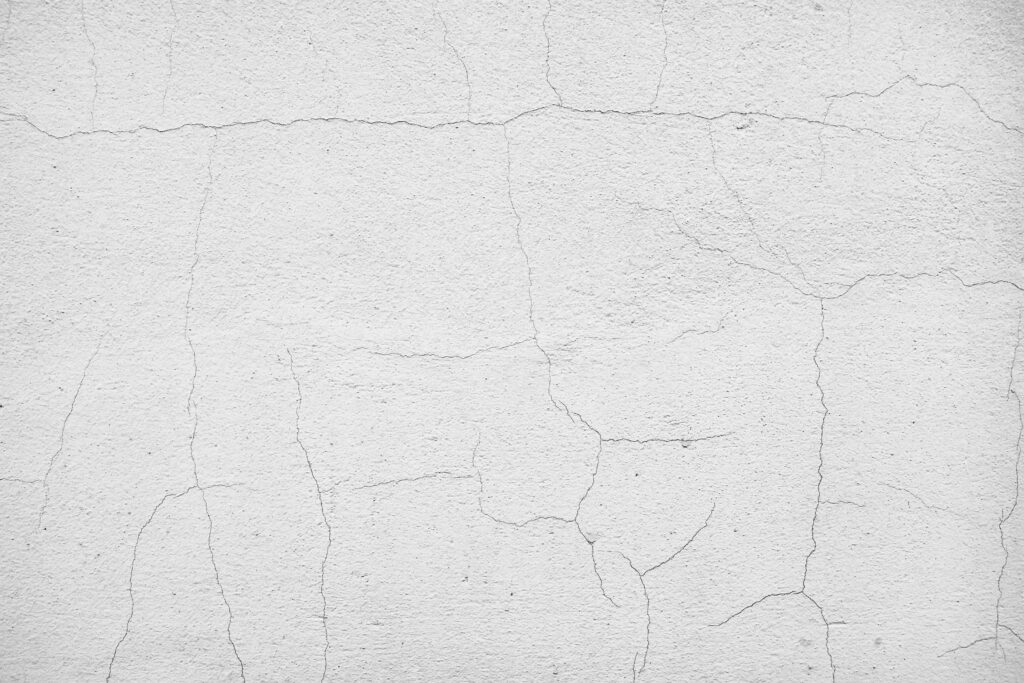
You notice it one evening: a thin line creeping up the hallway wall of your Melbourne townhouse that you’re fairly sure wasn’t there last month. Cue the spiral. Is the place falling apart, or is it nothing?
Building or buying property in Queensland comes with a set of risks you won’t find anywhere else in Australia. The subtropical climate, divided into a wet season and a dry season, creates two distinct windows of stress on any structure. Each surfaces a different category of defects, and neither is forgiving of corners cut during construction.
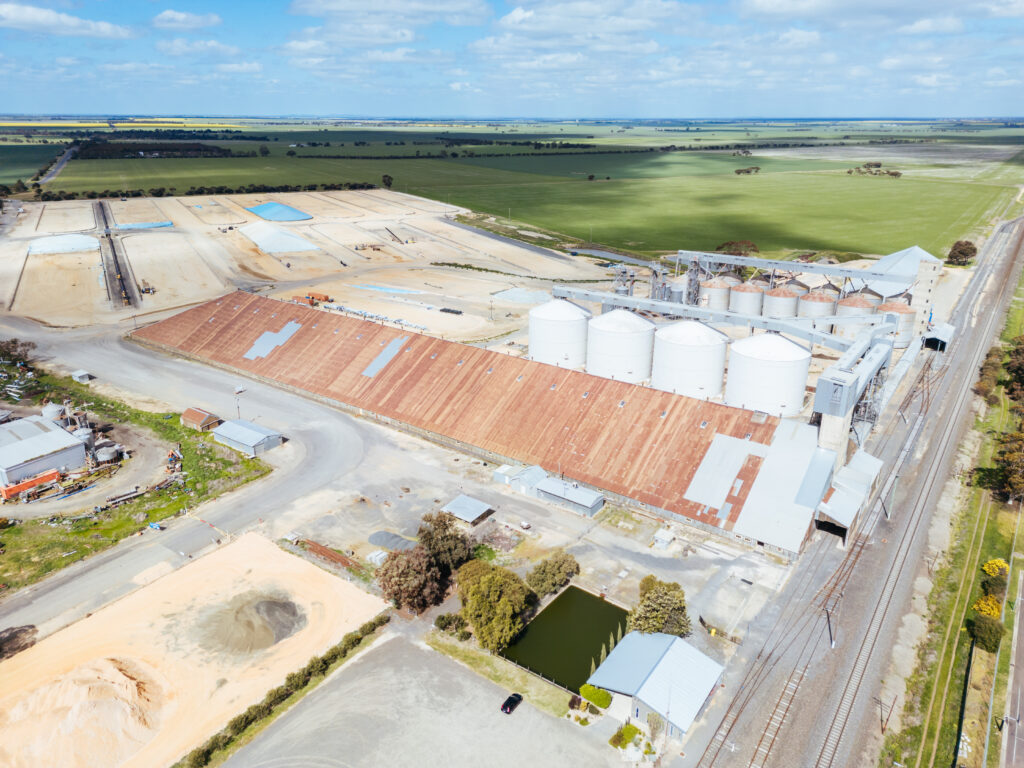
Farmland feels different from a residential subdivision. The assumption that the rules are more relaxed out here, that a shed is just a shed, costs rural landowners and property buyers more than they expect.
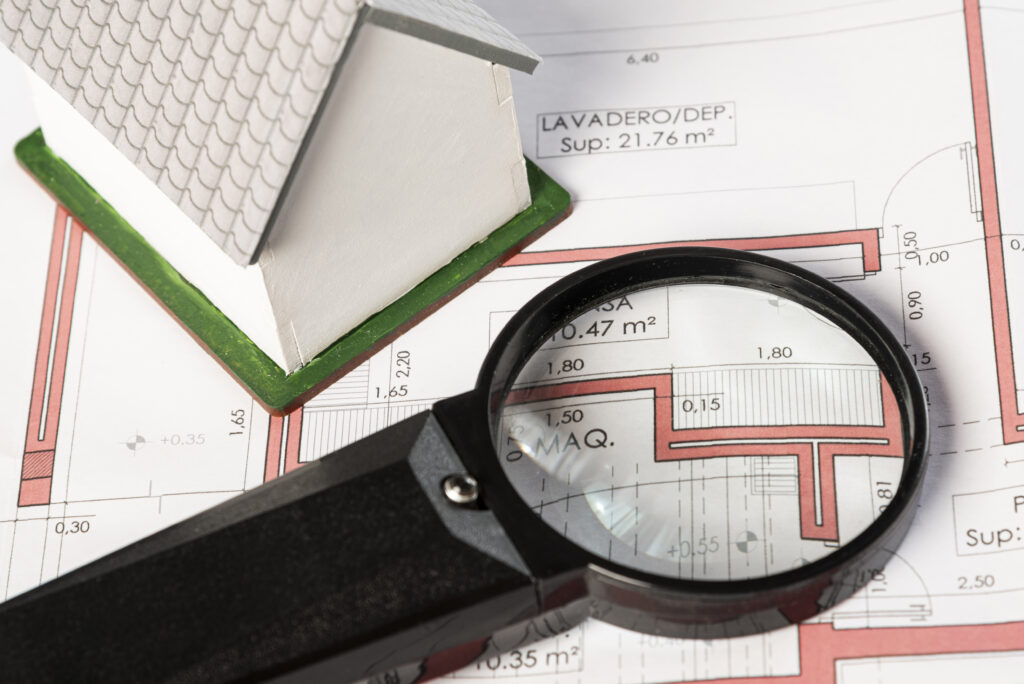
You signed the contract. You paid the deposit. Now settlement is approaching, the developer has confirmed your property is ready for handover.

Building a new home in Brisbane is exciting, but real costs go beyond the base price. This guide explains key cost factors, hidden expenses, and how inspections help protect your investment.

Becoming a landlord for the first time is a major step, and an exciting one. So, if you’ve just bought your first investment property or you’re getting ready to lease out your former home, there’s a lot to learn early on.

Melbourne’s fast-growing suburbs often sit on reactive clay soils that expand and contract with moisture changes. Expert inspections and soil testing help identify risks early and protect homes from costly structural damage.

Brisbane floods often leave hidden damage behind. Water can penetrate slabs, walls, insulation, and wiring, causing mould or structural issues later. Building inspections help uncover risks early.

Building your dream home in Queensland is exciting, but understanding local building regulations is key to turning your plans into reality and avoiding costly delays or compliance issues.
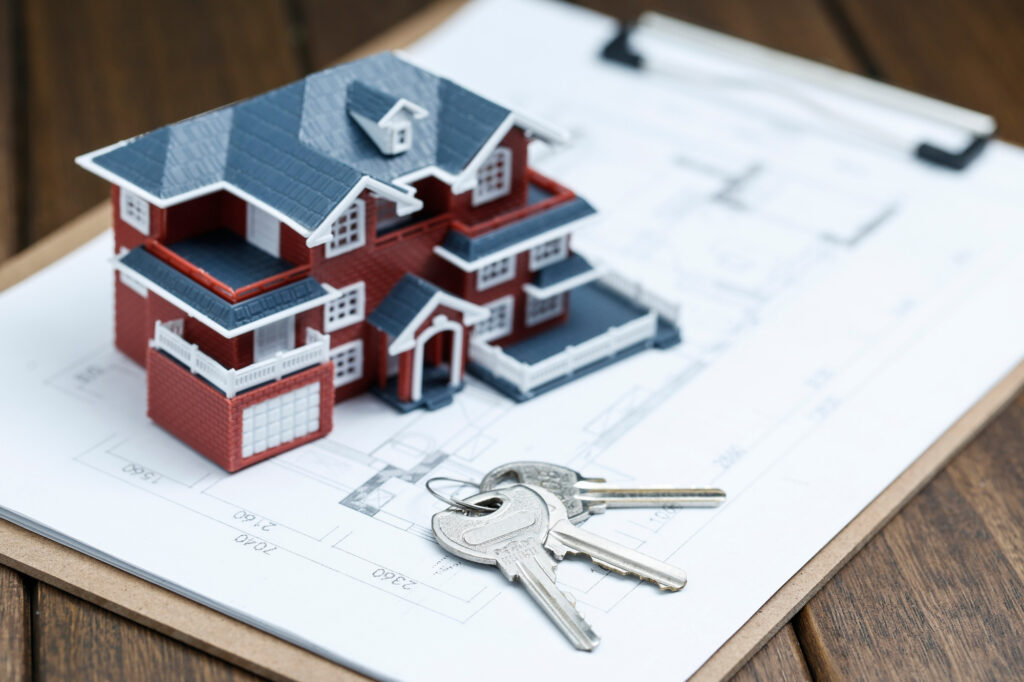
Being a landlord means more than collecting rent. In Victoria, New South Wales, and Queensland, landlords must keep properties safe, habitable, and compliant with laws to protect tenants, maintain value, and avoid disputes.

Building a new home in Brisbane is a dream come true, but it comes with the responsibility of ensuring quality at every stage. Construction stage inspections help maintain compliance, and independent checks early on are just as crucial as pre-handover inspections.

Building a new home in Melbourne is exciting but can be stressful. With so many moving parts, it’s easy for even reputable builders to miss defects or compliance issues. Independent inspections at each stage ensure your home is on track, giving you peace of mind and avoiding costly surprises later.
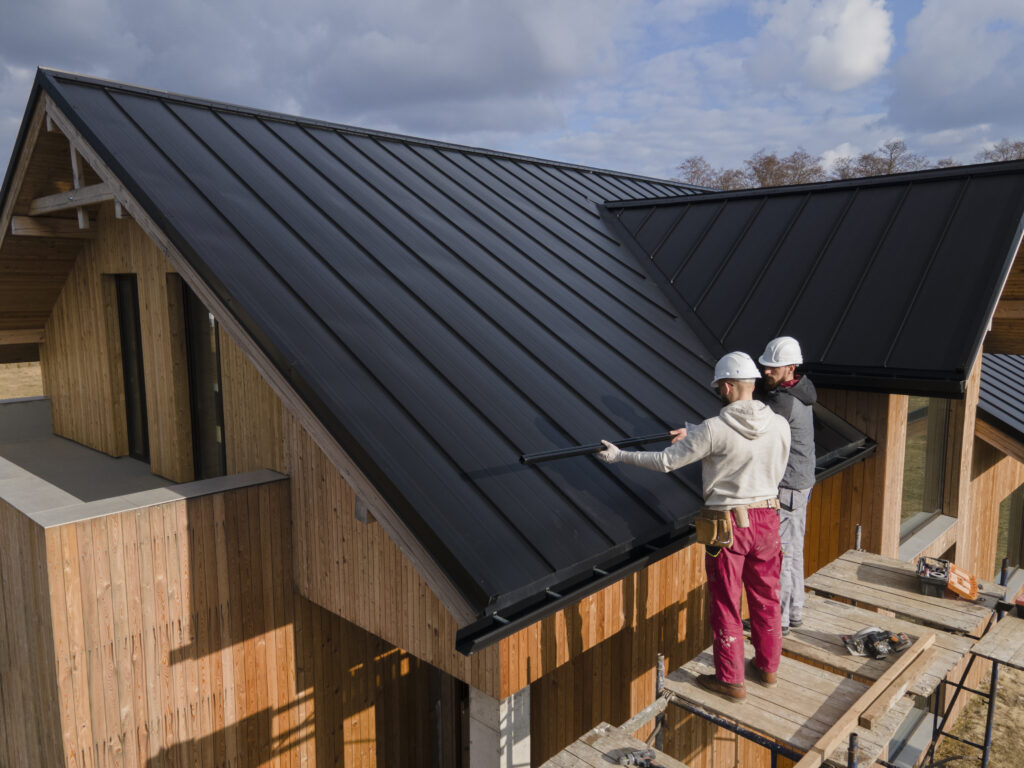
What does it cost to build a house in Melbourne in 2026? Landmark Inspections breaks down per-m² rates, budget tiers, and hidden costs to plan for.

Planning a new home? This building and construction process guide Melbourne outlines each stage, from permits to handover, and shows where construction stage inspections keep your build on track and compliant.

Managing a rental property isn’t just about collecting rent; it’s about protecting your investment, keeping tenants safe, and staying on top of ever-changing compliance standards. In this ultimate guide, we break down everything from tenant screening and maintenance to compliance, communication, and inspections. Let’s dive in.
Owning a rental property in Australia comes with legal responsibilities that can feel overwhelming. With stricter laws in NSW, Victoria, and Queensland, staying compliant is crucial to protect your investment and provide a safe home. This guide covers the essentials every landlord needs to know.

Building something new is exciting, but what happens behind the scenes is just as crucial. Construction stage inspections ensure each phase is done right before the next begins—preventing costly mistakes and giving you peace of mind that your home is safe, sturdy, and up to code.

Planning a new build, renovation, or extension in Victoria? Understanding building regulations is key. This guide breaks down the essentials to help you stay compliant, avoid costly errors, and move forward with confidence.

It’s easy to fall for the charm of a home’s backyard or kitchen, especially as a first-time buyer. But before signing anything, don’t skip the building inspection—it could be the most important step in your entire home-buying journey.

Buying a new home is one of the most exciting yet nerve-wracking moments in life. You’ve finally found that perfect house and it seems to have everything you’ve ever wanted. But before you get caught up in the dream, there’s one crucial step you can’t afford to overlook, the home inspection.

As a rental provider in Victoria, staying compliant with the latest regulations is crucial not only for legal reasons but also to maintain a high standard of living for your tenants. The Residential Tenancies Regulations 2021 set out clear expectations for landlords to ensure the safety, comfort, and wellbeing of renters.

Understand what Australian standards for construction require for your new home, from the NCC and key standards to how compliance is checked at each build stage.

If you’re looking to buy a home in Melbourne, you’re probably aware of the importance of a comprehensive building inspection.

For most people, a home is one of the biggest investments they’ll ever make. It makes sense to seek the best service possible while constructing a new house, upgrading an existing home or buying.

Chemical Delignification is an issue affecting metal and concrete tiled roofs across Melbourne.

Expectations vs. Reality. What to Look for in a New Construction Home Inspection.

A rental property gas safety check is a thorough inspection of a rental property’s gas appliances and systems to ensure they are operating safely and in accordance with the law.

Smoke detectors can be life-saving devices that detect smoke before any sleeping occupants.

It’s always an exciting time when you’re moving into a new rental property.

Get the Most Out of Your Tax Refund
As the fiscal year comes to an end, it’s a good time to organise your Depreciation Schedule to maximise the return on your investment property.

An asbestos assessment is necessary for properties in Melbourne and Victoria, especially if you’re planning a renovation. Landmark Inspections provides prompt asbestos inspections by licensed asbestos assessors.

Bathrooms are the one room in your home designed to be exposed to a lot of water. However, despite being meant for water usage, over time, heavy water usage in bathrooms can lead to seeping behind the walls and under the flooring, which later leads to water damage.

Almost everyone understands the perennial appeal of buying a heritage home. In fact, these happen to be highly sought-after homes in Melbourne.

An Australian property owner whose getting ready to sell their personal property will need to anticipate an inspection.

Landmark Inspections is again ahead of the industry and one of the first property inspection businesses to offer a laboratory screening method to test for Meth (Ice) contamination in a property.

Roof Sarking, also known as Sisalation Paper, is a layer of material installed underneath the roofing material, typically on the rafters or trusses. It provides extra support and protection for the roof.

A timber pest inspection is conducted to identify any pest activity or conditions that attract pests including termites, borers and fungal decay.