

Farmland feels different from a residential subdivision. The assumption that the rules are more relaxed out here, that a shed is just a shed, costs rural landowners and property buyers more than they expect.
When it comes to whether an agricultural building is exempt from building regulations in Australia, the classification of the structure, the zoning of the land, the state it sits in, and the approvals obtained at the time of construction all determine what’s required. Getting any one of those wrong means insurance policies that won’t pay out, council enforcement orders, and serious complications when a property changes hands.
In Victoria and Queensland, the exemption thresholds are narrow. Most farm sheds of any meaningful size require at least a building permit, and a structure built without one doesn’t become compliant when ownership changes hands.
Key Takeaways
- Agricultural buildings in Australia are not automatically exempt from building regulations. Approval depends on classification, size, zoning, and state.
- Planning permits and building permits are two separate requirements, and an exemption from one does not remove the need for the other.
- In Victoria and Queensland, the building permit exemption threshold for Class 10a structures is 10 square metres. Any working farm shed of practical size will exceed it.
- New South Wales offers the most generous exemptions in the country, with genuine farm buildings up to 200m² potentially exempt from development approval in rural zones.
- Building without the required approval risks insurance exclusions, council enforcement orders, and serious complications at the point of sale.
- For property buyers, non-compliant structures transfer with the title at settlement. A pre-purchase inspection identifies compliance gaps before you commit.
How Agricultural Buildings are Classified Under the NCC
The National Construction Code is Australia’s minimum standard for building design and construction. Every structure built in this country sits somewhere within its classification system, and that classification determines which regulatory pathway applies.
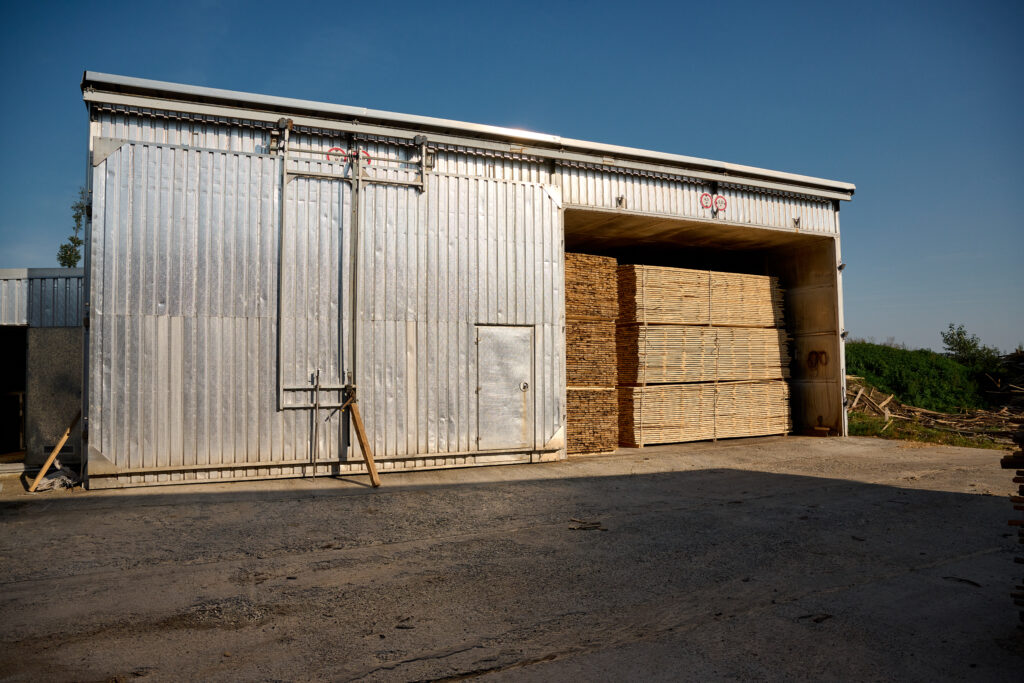
Most farm sheds fall under Class 10a, the NCC’s category for non-habitable structures. Common examples include:
- Machinery storage sheds
- Hay and fodder shelters
- Equipment and vehicle housing
- General agricultural storage
This classification carries a more streamlined approval pathway than residential buildings, but streamlined doesn’t mean exempt.
Where it gets more complex is when the intended use changes. A shed used for commercial livestock processing, food handling, or manufacturing may be classified as Class 7 or Class 8, which carry different and more demanding structural and safety requirements. The building’s intended use, not its appearance, is what determines its class.
For those building or buying across state lines, NCC 2025 came into effect in Victoria on 1 May 2026 and is now the applicable code. Queensland’s mandatory adoption is deferred until 1 May 2027, meaning NCC 2022 currently applies there.
Two Questions You Need to Ask Before You Build
Most people approach farm shed compliance as a single question: do I need council approval? In practice, two separate approval processes may apply to the same structure on the same land, administered by different bodies.
Your local council issues a planning permit, which relates to whether the proposed use is appropriate for your land’s zone. For genuine agricultural buildings in rural zones, a planning permit may not be required, but that depends on your state and the specific conditions of your land.
A registered building surveyor issues a building permit, which confirms the structure meets the technical requirements of the relevant building act and the NCC. This applies regardless of whether a planning permit is needed.
An exemption from one doesn’t remove the requirement for the other. Understanding whether an agricultural building is exempt from building regulations in Australia starts with knowing which question you’re actually asking.
Exemption Thresholds by State
Exemption rules for agricultural buildings vary significantly across Australia. These are general guides only; local council rules, overlays, and intended use can all affect what applies to your specific property.
| State | Planning permit exemption | Building permit exemption (Class 10a) |
| Victoria | May apply in Farming Zone and the Rural Activity Zone for genuine agricultural use | Under 10m²; meets setbacks, not in a bushfire zone, no drainage impact |
| Queensland | Varies by LGA; no consistent state-wide exemption | Under 10m²; setback requirements still apply |
| New South Wales | Farm buildings up to 200m² may be exempt in rural zones RU1–RU4 and RU6 under the Codes SEPP | Separate building permit requirements still apply |
Always check with your local council before building. Exemption criteria change, and local planning schemes may impose additional requirements beyond state-level thresholds. Victorian figures sourced from the Victorian Building Authority and Building Regulations 2018. Queensland figures sourced from the Queensland Development Code. NSW figures sourced from the NSW Planning Portal and Codes SEPP.
Victoria: What the Exemptions Actually Cover
Victoria administers building approvals under the Building Act 1993 and Building Regulations 2018. The planning permit exemption applies only where the use is tied to an active agricultural operation on the land. A shed on a lifestyle block or small rural residential property may not qualify, regardless of its appearance or size.
Councils can consider applications for Class 10 building permit exemptions on a case-by-case basis, but this isn’t automatic. Check with your local council to understand what applies to your specific zone and any applicable overlays.
Queensland: Tighter Rules and a Common Misconception
Exemption thresholds for agricultural buildings in Queensland are more restricted than many landowners expect. Rural zoning doesn’t provide the latitude people often assume it does, and for anything beyond a very small ancillary structure, building approval is required.
Requirements vary between local government areas, and a shed that meets the criteria in one council area may trigger full development approval in a neighbouring LGA. Size thresholds, setback distances, and overlay requirements all differ, so checking with your local council before building is essential.
New South Wales: The Most Generous Exemptions in The Country
New South Wales offers significantly more latitude for farm buildings than Victoria or Queensland. Under the Codes SEPP, genuine farm buildings on land zoned RU1, RU2, RU3, RU4, or RU6 may be exempt from requiring development approval, provided they meet specific criteria around height, footprint, and setbacks.
The key distinction is the definition of a ‘farm building’. Structures used for agricultural purposes, such as hay storage, machinery housing, and shearing sheds, are treated more generously than general non-habitable structures. The thresholds are larger than in Victoria or Queensland, but conditions still apply, and a separate building permit process applies regardless of whether development approval is required.
What Happens If You Build Without Approval
Building without the required approval isn’t a technicality. The consequences are practical, financial, and in some cases structural, and they tend to surface at the worst possible time.
Insurance won’t cover it
Most property insurance policies exclude unapproved structures. If an uninsured shed is damaged by fire, storm, or collapse, the cost of replacement sits entirely with the owner, including any equipment, machinery, or livestock housed inside it.
Council enforcement is real
Local councils have the authority to issue notices to comply, rectification orders, and demolition orders requiring the structure to be removed at the owner’s cost. In Victoria, fines can reach up to 500 penalty units under the Building Act 1993. In Queensland, repeat offences under the Building Act 1975 can attract fines of up to $44,000.
Property sales become complicated
Unapproved structures attract scrutiny during conveyancing. Buyers and their solicitors increasingly review permit histories as part of due diligence, and an unapproved shed can trigger price renegotiations, delayed settlements, or contract terminations.
Future building work is affected
Councils and building surveyors assessing new permit applications will look at what’s already on the land. Unapproved structures can create complications for otherwise straightforward new applications on the same site.
Buying a Rural Property? The Compliance Picture Transfers with the Title
When you purchase a rural or agricultural property, any non-compliant structures on the land become your responsibility at settlement. A shed built without the required approvals doesn’t become compliant because ownership changes hands.
This matters more than most buyers realise. Rural properties often carry structures erected over many years, by different owners, with incomplete or absent permit documentation. Some predate current requirements. Others were built under exemptions that no longer apply. Some were never permitted at all.
For buyers working through whether an agricultural building is exempt from building regulations in Australia, a pre-purchase inspection is the most direct way to get a clear answer. At Landmark Inspections, our licensed inspectors assess rural and agricultural properties across Victoria and Queensland, using a 250-point checklist, high-resolution imagery, and more than 30 years of combined industry experience to document the compliance status of every structure on site. Reports are delivered within 24 hours, giving you clear, detailed findings before ownership transfers.
Identifying a compliance issue before settlement is considerably less expensive than inheriting one after it.
Know What You’re Buying Before You Commit
Compliance gaps on rural properties rarely surface at a convenient time. They tend to emerge during insurance claims, sale negotiations, or when new building work is planned, at exactly the point where they’re most expensive to resolve.
A pre-purchase inspection gives you the compliance picture before ownership transfers, not after. For buyers who’ve spent time researching whether an agricultural building is exempt from building regulations in Australia, it’s the step that turns that research into a clear, property-specific answer.
From first-time rural buyers to investors managing properties across Victoria and Queensland, Landmark Inspections is here to make sure you know exactly what you’re purchasing before you sign.
Book your inspection online or contact our team to arrange a pre-purchase inspection before settlement.