

Building or buying property in Queensland comes with a set of risks you won’t find anywhere else in Australia. The subtropical climate, divided into a wet season and a dry season, creates two distinct windows of stress on any structure. Each surfaces a different category of defects, and neither is forgiving of corners cut during construction.
Most buyers understand that Queensland has termites and humidity. Fewer understand how those risks interact with seasonal conditions, soil movement, and storm exposure across the full calendar year. Understanding how building inspection and Queensland’s climate connect is what separates a property purchase made with confidence from one made with assumptions.
The Victorian Building Authority states that termites alone cause more damage to Australian homes than fire, floods, and storms combined, and that damage isn’t covered by household insurance. Queensland sits firmly at the high-risk end of that national picture, and the defects that turn up on inspection reports across Brisbane, the Gold Coast, and the Sunshine Coast reflect that reality year after year.
Key Takeaways
- Queensland’s wet and dry seasons each produce a different set of building defects, and both demand attention.
- High humidity, reactive clay soils, and year-round termite activity make building inspections in Queensland’s climate more critical than in most other states.
- The Victorian Building Authority classifies termites as causing more property damage than fire, floods, and storms combined, and household insurance doesn’t cover it.
- Construction stage inspections at each build milestone are the most effective way to catch climate-driven defects before they’re concealed.
- Homes in coastal Queensland from around Bundaberg northward have specific cyclonic wind load requirements that should be verified at inspection.
- A building inspection should always be read alongside a timber pest inspection by a licensed specialist.
What Queensland’s Wet Season Does to a Building
Queensland’s wet season runs from November through to April. For a property under construction or recently completed, six months of sustained rainfall and high humidity create pressure that exposes every weakness in a build.
The most common findings during a building inspection in Queensland’s climate, particularly after a wet season, are:
- Waterproofing failures in wet areas, roof junctions, and around window seals
- Moisture ingress through poorly fitted external cladding and door frames
- Blocked or undersized gutters and downpipes causing water to track against the building envelope
- Inadequate site drainage, with water pooling near footings and under the slab
- Timber rot in bearers and joists where subfloor ventilation is insufficient
Mould found during a Queensland home inspection is rarely a standalone problem. It almost always traces back to a waterproofing failure, a drainage issue, or inadequate subfloor ventilation, conditions that a construction stage inspection is designed to catch early.
There is also a direct relationship between wet season moisture and termite activity. Termites are drawn to damp timber and softened soil. A building that drains poorly or retains moisture under the floor is significantly more attractive to a termite colony than one with sound drainage and adequate ventilation.
For new builds, the stakes are particularly high at the frame and lock-up stage. Timber framing exposed to repeated wetting and drying before the structure is weatherproofed can warp, swell, and crack. Those early deformations affect everything that follows, from plasterboard to door frames. Catching them requires a construction stage inspection timed to Queensland’s building cycle, not just a final walkthrough at handover.
Dry Season Damage: The Risks That Emerge When the Rain Stops
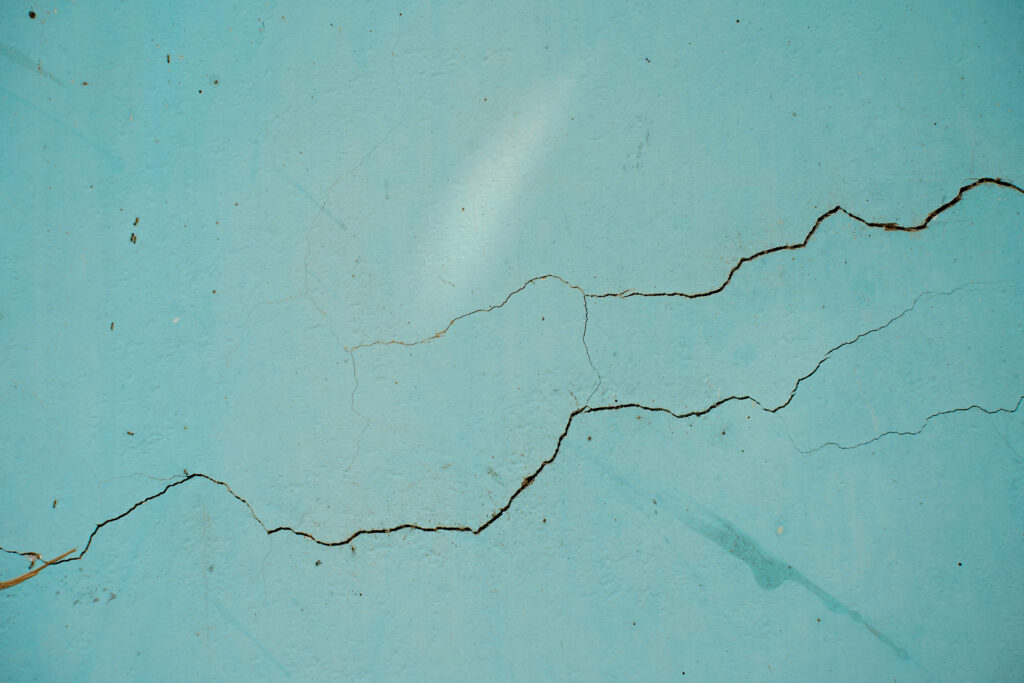
The dry season runs from May through to October. The rain stops, the ground contracts, and a different category of problems surfaces.
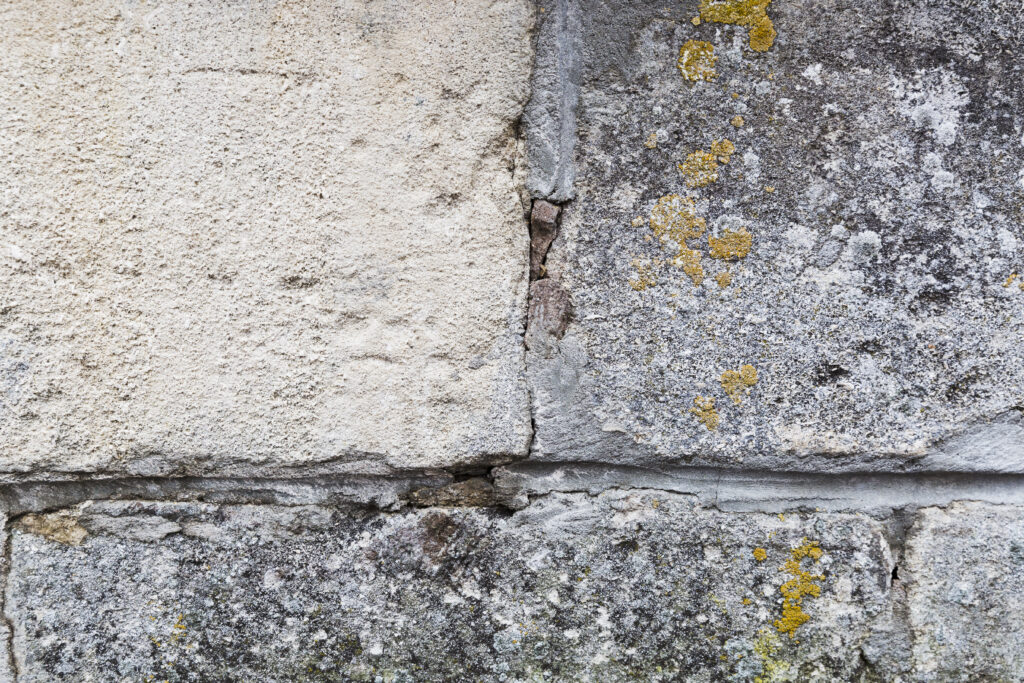
Reactive clay soils are widespread across the state, particularly in Brisbane’s western and southern suburbs. As moisture leaves the ground, those soils shrink and shift. The result shows up as:
- Diagonal cracking in walls and ceilings
- Sticking doors and windows
- Uneven or sloping floors
- Gaps at cornices and skirting boards
These are structural signals, not cosmetic ones.
UV exposure and sustained heat add to the picture during the dry months. Roof cladding degrades, sealants shrink and crack, and timber elements exposed to direct sun warp and split. Expansion and contraction cycles stress joints and connections that may have already been weakened during the wet season.
The dry period also marks when termite colonies push hardest above ground. With soil moisture dropping, colonies move outward in search of water and food. Timber framing, subfloor bearers, and landscaping timbers close to the building are all at risk.
Storm Season and Cyclone Zones
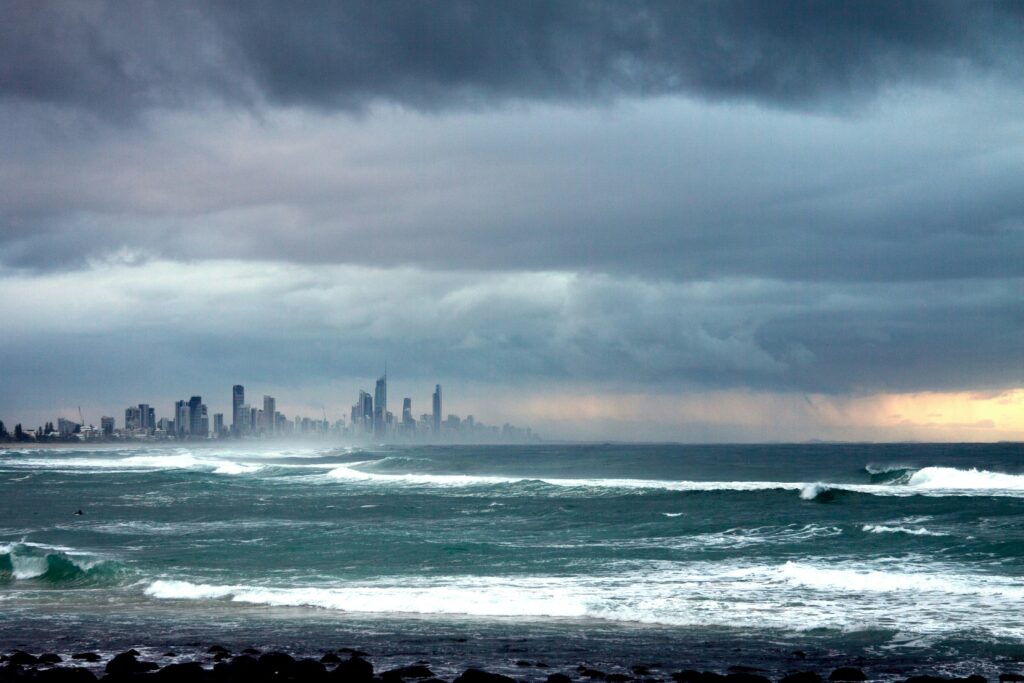
Storm season overlaps with the wet, running roughly from November through to March. For most of South East Queensland, that means severe thunderstorms, hail events, and conditions that test roofing, guttering, and drainage systems hard.
Further north, the risks are more specific. Homes in coastal areas from around Bundaberg northward fall within cyclonic wind load zones under the National Construction Code. In these locations, inspections need to account for wind classification compliance, not just general construction quality.
Common deficiencies found in those zones during a building inspection include:
- Over-driven nails in roof plywood bracing, compromising structural integrity under high wind loads
- Inadequate batten connections and poorly secured roof sheets
- Solar panels installed without cyclone-rated fixings
- Roof-to-wall connections that do not meet the wind classification for the site
Homes built before 1985 are particularly at risk, as many predate current cyclonic building standards. For buyers purchasing in coastal areas, confirming wind classification compliance at the construction stage is not optional.
After a significant hail or storm event, inspectors also assess:
- Impact damage to roof tiles, metal sheeting, and guttering
- Micro-fractures in roofing materials that allow slow water ingress
- Damaged or dislodged flashings around skylights and roof penetrations
- Structural movement in decks, pergolas, and retaining walls
Some of this damage is not visible from the ground. Close examination of roof surfaces and substructures is required, not a visual check from street level.
Termite Pressure: A Year-Round Concern
In southern states, cooler winters slow termite activity significantly. Here, there is no such reprieve. The subtropical climate keeps colonies active year-round, which is why annual pest inspections are non-negotiable for property owners rather than an optional extra.
The standard residential contract published by the Real Estate Institute of Queensland includes a building and pest clause as a default condition. That clause exists for good reason. Warm temperatures, high humidity, and widespread use of timber in construction create ideal conditions for termite activity across the state.
The risks are highest where moisture and timber intersect:
- Subfloor areas with inadequate ventilation or drainage
- Garden beds, landscaping timbers, and tree stumps adjacent to the building
- Previous termite treatment systems that have lapsed or have gaps in coverage
A building inspection in Queensland’s climate should always be read alongside a timber pest inspection by a licensed specialist. Inspectors identify conditions conducive to termite activity, structural damage consistent with past infestations, and areas requiring further investigation. Treatment and management fall outside the building inspection scope and should be referred to a licensed pest management professional.

How the Climate Affects Every Stage of New Builds
Pre-purchase inspections of existing Queensland homes are one part of the picture, particularly for buyers assessing weather damage, soil movement, or termite history before committing. For anyone building new in the state, the climate creates risks that develop across the construction timeline itself.
Construction stage inspections at each key milestone are how those risks get managed:
- Slab stage: Confirming the slab has been poured correctly, with appropriate drainage fall and footing depth for the site’s soil classification. Reactive clay soils make this stage critical.
- Frame stage: Checking timber framing for warping, improper bracing, and inadequate connections, particularly for builds in cyclonic wind zones.
- Lock-up stage: Verifying weatherproofing, flashing installation, and drainage before the building is sealed and internal work begins.
- Fixing stage: Identifying workmanship defects before they are concealed behind linings and finishes.
- Practical completion: A final inspection before handover that documents outstanding defects and gives the buyer a clear record before taking possession.
Defects missed at the frame stage do not stay minor in these conditions. By the time they become visible, rectification is significantly more expensive, and the builder’s liability is harder to establish.
Why Brisbane and Queensland Buyers Choose Landmark Inspections
Queensland’s climate doesn’t make allowances for inspections that happen too late. A defect that goes undocumented during construction is a defect you’re likely absorbing at handover, and one that becomes harder to attribute to the builder the longer it sits.
At Landmark Inspections, our licensed inspectors conduct construction stage inspections across Brisbane, the Gold Coast, and the Sunshine Coast. Every inspection is completed against a 250-point checklist, with high-resolution reports delivered within 24 hours, direct builder liaison, and 12 months of post-inspection support.

Get a Clear Picture Before You Take Possession
Defects rarely surface at a convenient time. In Queensland’s building environment, they tend to emerge during the next wet season, at the point of sale, or when something fails, exactly when they’re most expensive to resolve. Each season surfaces what the other conceals, and there is no stage of construction where that stops being true.
A construction stage inspection gives you a complete picture before ownership transfers, not after. For buyers and investors building across Brisbane, the Gold Coast, and the Sunshine Coast, it’s the step that turns a thorough inspection from a formality into a genuine safeguard.
Book your inspection online or contact our team to arrange a construction stage inspection before your next build milestone.