

Brisbane is no stranger to flooding. From the widespread impacts of the 2011 and 2022 events to localised flash flooding during storm season, water damage is an unfortunate reality for many property owners.
What’s not always visible, though, is what floodwaters leave behind.
Water can seep deep into the structure of a home: below the slab, inside walls, into insulation, and around electrical systems. The effects might not show up immediately, but months or even years later, signs of rot, mould, or movement begin to appear.
This is why home building inspections in Brisbane are essential after flood events, during construction, or when buying in a flood-affected suburb. These inspections go beyond what the eye can see, uncovering hidden damage and giving you the information needed to act with confidence.
Key Takeaways
- Brisbane homes are at risk of hidden flood damage, even those outside official flood zones
- Council flood overlays don’t account for site-specific issues like blocked drains or poor runoff
- Floods can compromise slabs, frames, walls, electrical systems, and plumbing infrastructure
- Moisture and mould can linger long after surfaces appear dry, especially in Brisbane’s humid climate
- Post-flood building inspections uncover damage early, supporting insurance claims and builder negotiations
- Construction stage inspections help prevent water-related issues from being sealed into new builds
- A detailed inspection report provides clarity, next steps, and long-term peace of mind for homeowners
Are You in a Flood Zone? Maps Only Tell Part of the Story
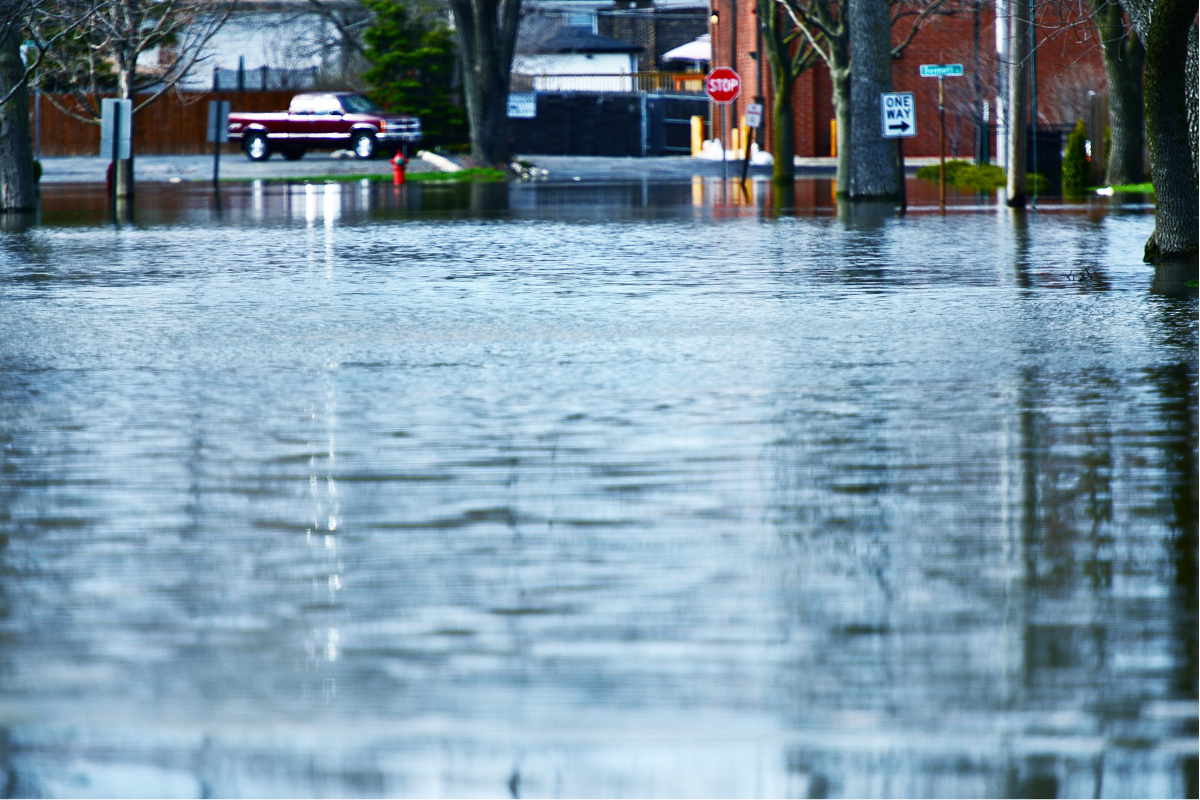
Brisbane City Council flood overlays help identify areas at risk of inundation during flooding in rivers and creeks. These maps are valuable for planning, but they don’t capture everything.
Many homeowners are surprised to find that their property, located outside the official overlay, has still been affected by flooding or stormwater intrusion. Local drainage patterns, blocked gutters, poor landscaping, or new developments nearby can change how water behaves on a site.
Flood maps don’t consider:
- Water pooling from heavy rainfall
- Overflow from neighbouring properties
- Site-specific drainage issues
- Undocumented historic flood events
That’s why inspectors assess the actual condition of the property, not just what’s printed on a planning map.
What Inspectors Look for After a Flood
When floodwater enters a home, it doesn’t just damage flooring and skirting boards. The force and moisture can affect structural integrity, electrical safety, and long-term habitability.
Key Areas Inspectors Assess Include:
1. Slabs and Foundations
Floodwaters can erode supporting soil, causing shifting or cracking. Inspectors check for:
- Uneven settling
- Hairline or stress cracks
- Soft spots or voids beneath slabs
2. Timber Framing and Subfloors
Waterlogged timber can warp, swell, or begin to rot. This weakens structural elements and can attract pests like termites.
3. Walls, Ceilings, and Finishes
Inspectors look for subtle signs such as:
- Stains or tide marks on plaster
- Bubbling paint or distorted materials
- Moisture behind linings
Floodwater often carries sediment and bacteria, so even if the surface looks dry, contamination may remain inside materials.
Moisture, Mould and the Risk You Can’t See
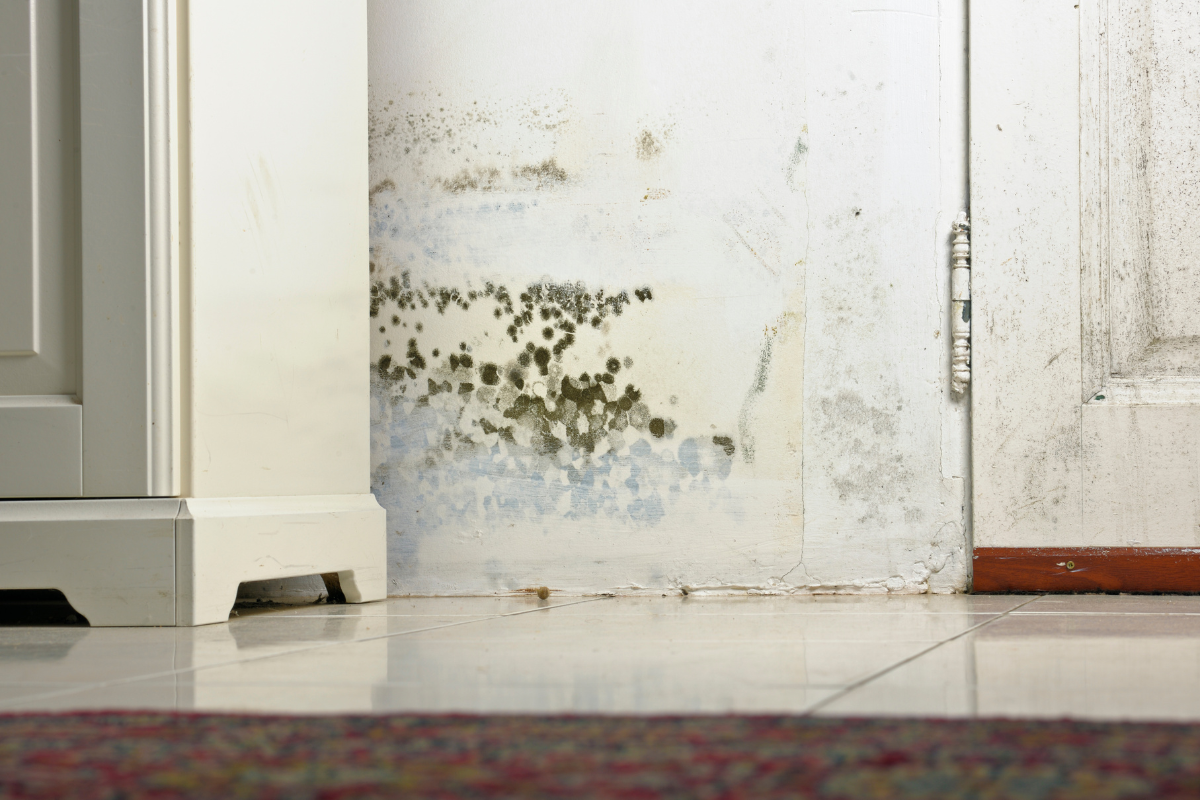
One of the biggest post-flood challenges in Brisbane homes is trapped moisture. You may have dried the carpets and repainted the walls, but water has a habit of sticking around in hidden places, especially in a humid climate.
Left unchecked, moisture leads to:
- Mould growth inside walls or roof cavities
- Warped cabinetry, doors, or trims
- Rising damp in masonry
- Musty odours and air quality issues
Using tools like moisture meters and thermal cameras, inspectors can pinpoint areas of concern without opening up walls. This early detection is vital for managing health risks and avoiding expensive remediation.
Electrical and Plumbing Risks After Water Exposure
It only takes a small amount of water to damage wiring, corrode switchboards, or create safety hazards inside your home.
Post-flood inspections include:
- Testing power outlets and circuits for safety
- Checking switchboards and RCDs (safety switches)
- Inspecting plumbing systems for blockages, pressure issues, or backflow
- Reviewing hot water units and appliances that may have been exposed to water
Some of this damage may not cause immediate failure, but corrosion can slowly degrade components over time. A proper inspection gives you the chance to replace or repair these elements before something goes wrong.
 Why a Post-Flood Inspection Matters for Homeowners
 Why a Post-Flood Inspection Matters for Homeowners
If your property has been exposed to flooding, you may feel uncertain about what’s been affected or what steps to take next. A professional inspection clears the confusion.
The Benefits of a Post-Flood Inspection:
- Documented evidence for insurance claims or builder negotiations
- Peace of mind knowing hidden damage has been identified
- Guidance on what repairs are needed and which trades to involve
- Support for long-term decisions about keeping, renovating, or selling your home
A well-structured inspection report helps you move forward with clarity, whether you’re dealing with insurers, real estate agents, or your own construction team.
Building a Home in Brisbane? Construction Sites Need Attention Too
Flood risk doesn’t end once construction begins. In fact, building sites are highly vulnerable to weather events. Slabs may be exposed for weeks, and wall frames often go up before the roof is installed.
Water that enters a building under construction can:
- Soak into frames, insulation, and subfloors
- Damage materials before they’re sealed into walls
- Compromise waterproofing membranes and drainage systems
Construction stage inspections help you catch and fix these issues at the right time, before they become defects hidden behind walls or tiles. This is especially important if your builder is rushing to move to the next stage after a rain event.
Why Choose Landmark Inspections
When it comes to dealing with post-flood inspections, you need more than just a checklist; you need a team that understands the local conditions, the construction process, and the risks involved.
Landmark Inspections provides trusted, independent reporting across Brisbane, with a clear focus on quality, speed, and technical precision.
What You Can Expect:
- Comprehensive 250-point inspections
- Moisture detection and thermal imaging
- Building reports delivered within 24 hours
- Actionable guidance, not just defect lists
- Builder communication and 12 months of follow-up support
- Fully licensed and insured, QBCC-compliant
We help you understand what’s happening behind the walls and under the floors, and what to do about it.

Book Your Home Building Inspection in Brisbane Today
Flooding can cause more than surface damage; it can impact the structure, safety, and long-term value of your home. A professional inspection helps uncover issues you can’t see, giving you the clarity to act with confidence.
Our home building inspections in Brisbane are designed to identify hidden flood damage, support insurance claims, and keep your property safe and compliant.
Ready to move forward with confidence? Book your inspection now or speak with our team to get started.